A calm grooming baseline
- Choose a quiet, cool indoor spot with non-slip footing and let the pet move away between short sessions.
- Match tools and frequency to the individual coat, age, mobility and veterinary advice; there is no one schedule for every dog or cat.
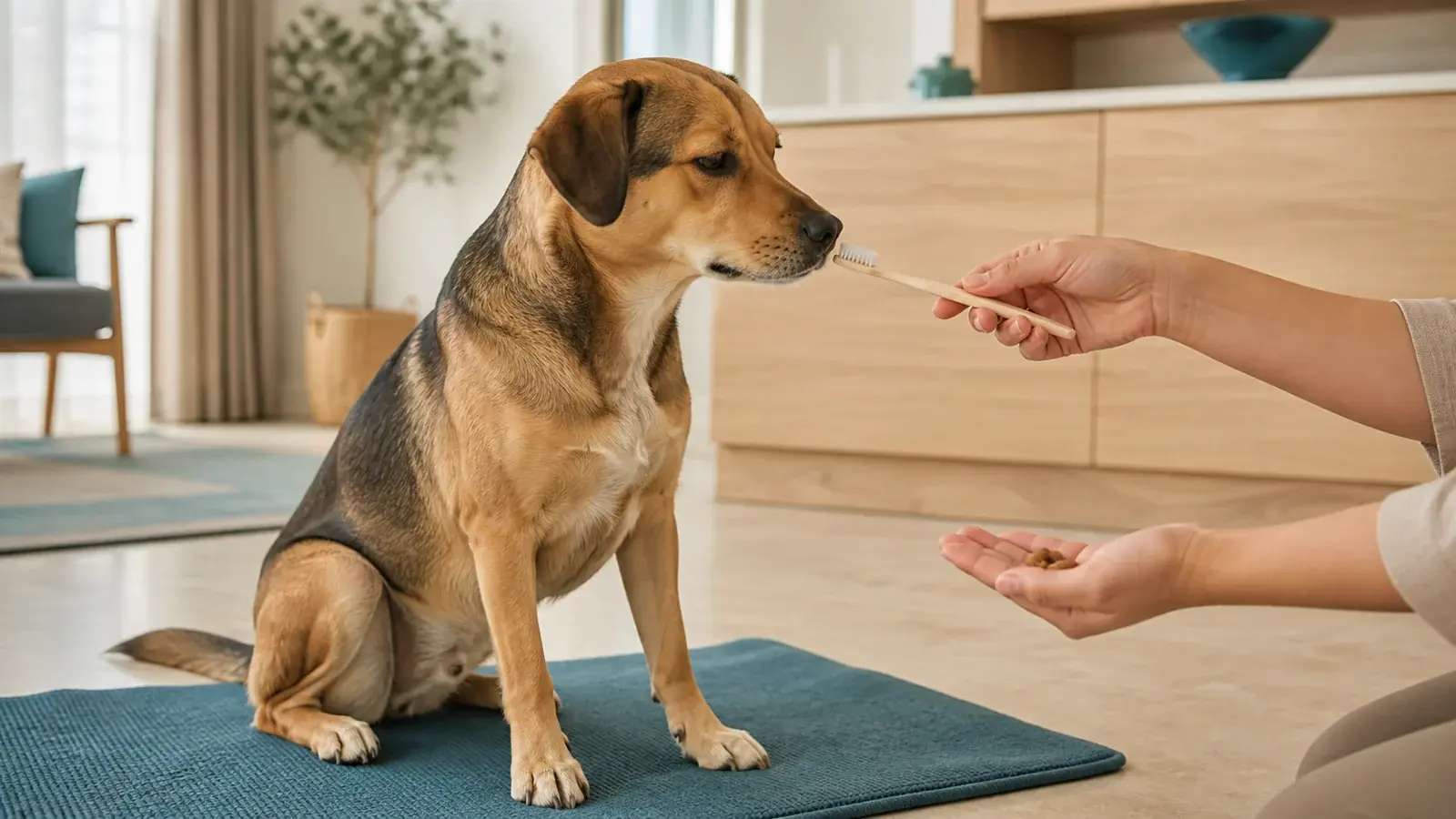
- Begin with a few gentle strokes in an area the pet already accepts, then reward relaxed behaviour and stop early.
- Check the coat and skin regularly for changes, matting, parasites or injuries, but do not diagnose or treat a problem from home.
- Contact a veterinarian for skin or coat abnormalities, increased or severe itch, painful tangles, or distress during handling.
At-home grooming is more useful when it is a small care habit rather than a battle reserved for the day a coat looks untidy. Brushing can help a carer notice changes and keep some coats manageable, but the right tool and interval depend on the individual animal. A short-haired cat, a dense-coated dog, an older pet and a pet with skin or mobility concerns may need very different plans.
UAE animal-welfare law requires people responsible for animals to take necessary precautions against harm, pain and suffering, consider their needs, and provide appropriate care. Those are legal duties. The practical routine below is PetsGo's editorial application of that duty and professional guidance; it is not a diagnosis, a treatment plan or a substitute for veterinary care.
1. Set up for comfort and choice
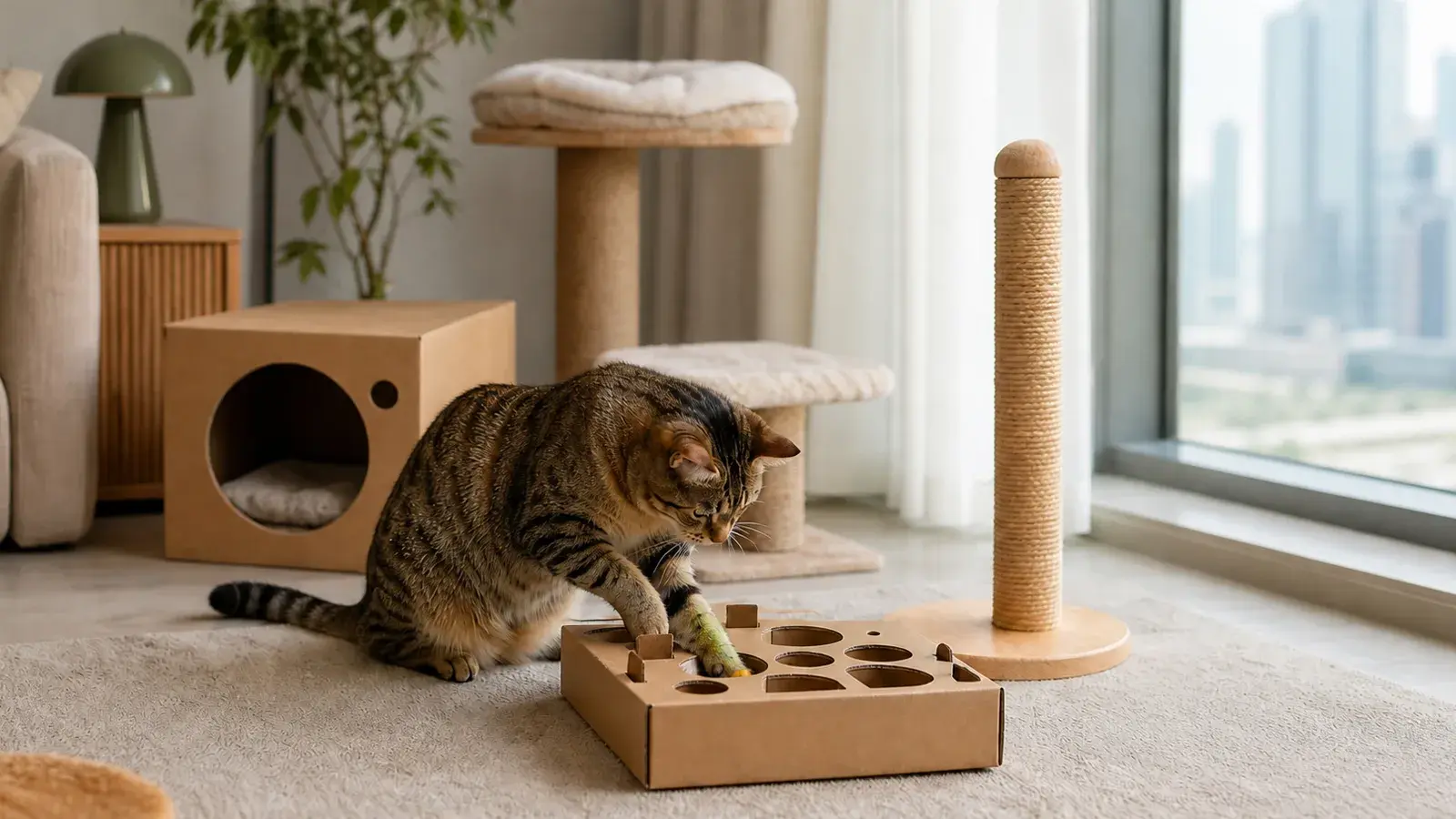
Choose a calm, air-conditioned room where the pet has secure footing and is not cornered by furniture, children or another animal. Put the brush down first and allow an interested pet to inspect it. For a cat, a familiar resting place or non-slip mat may be easier than lifting it onto a table. For a dog, work at floor level unless a professional has shown you a safe alternative.
- Keep the first session to seconds, not a full-body groom.
- Use a brush or comb intended for the coat type; when unsure, ask a veterinarian or qualified groomer before buying several tools.
- Give a small food reward, praise or another genuinely liked activity after calm contact, if appropriate for that pet's usual diet.
- End while the pet is still comfortable. Walking away, freezing, turning the head away, tense muscles, growling, hissing or trying to escape are information to respect, not behaviour to punish.
- Avoid tying a pet in place, pinning it down or using a muzzle as a way to complete ordinary home grooming.
2. Build brushing in tiny, repeatable steps
International Cat Care recommends brief, gentle positive experiences and gradual increases in grooming time for kittens, with an option to escape if grooming is stressful. That same low-pressure principle is a sensible welfare baseline for adult cats and dogs too. It does not mean every pet will enjoy grooming or accept every body area.
- Start with ordinary petting on an area the pet already welcomes, then pause.
- Show the tool, reward calm interest, and put it away before the pet becomes worried.
- Try one or two light strokes following the direction of hair growth, then stop and reward if the pet remains relaxed.
- Add only one variable at a time: another stroke, a slightly different area or a few more seconds.
- Split a full groom into several small sessions. Progress is comfort and consent, not getting every knot or loose hair out today.
3. Use grooming as an observation, not a treatment session
The World Small Animal Veterinary Association advises regular checks of the coat and skin for changes such as matting, fur loss, injuries, parasites or other abnormalities, with veterinary examination of abnormalities. A calm brush-through can be a useful prompt to look, but it cannot tell you the cause of a change or whether a product is suitable.
- Notice, and make a dated note of, new or worsening itch, fur loss, redness, wounds, a strong odour, parasites, swelling, pain or a sudden change in tolerance of touch.
- Arrange veterinary advice rather than applying human creams, essential oils, household cleaners or a product prescribed for another pet.
- Ask a veterinarian about a pet with skin folds, a long or dense coat, allergies, mobility limitations or a history of difficult grooming; its routine may need individual adjustment.
- For cats, remember that anything put on the coat may be ingested during self-grooming. Never assume a dog product is safe for a cat.
4. Keep bathing and clipping purposeful
A clean-looking pet does not automatically need a bath. WSAVA says the care interval should be discussed with a veterinarian because bathing too often can harm coat or skin, and notes that bathing is rarely necessary for cats. The source does not give one UAE-wide bathing interval, so PetsGo does not set one.
- Use only a product your veterinarian says is appropriate for that species and individual pet; do not use human shampoo.
- If a bath is needed, prepare towels, a non-slip surface and a comfortably temperate indoor room before bringing the pet in.
- Keep water out of the eyes, ears and nose, and stop if the pet is distressed or unsafe to handle.
- Dry the pet thoroughly in a cool indoor area and do not leave it on a hot balcony or in direct sun to dry.
- Treat clipping, de-shedding and difficult nail or ear work as skills that may require a qualified groomer or veterinary team—not a task to force at home.
For a wider warm-weather routine, see the UAE summer dog-walk safety plan. Grooming does not replace shade, cool indoor space, water, route planning or veterinary advice when heat is a concern.
5. Make the routine easy to repeat
Attach grooming to a quiet existing habit: after a meal, during a calm evening indoors or after a walk has cooled down. Keep the tool where it is easy to reach, but do not chase the pet with it. If more than one person provides care, agree the same stop signals and handling rules. For room setup that helps an older pet, see the senior-pet home-adjustment guide. For gradual handling around the mouth, use the separate calm dog dental-care routine.
- Record the coat type, preferred brush, tolerated areas and last successful session in the pet's routine notes.
- For older pets, add traction and easy access before asking for handling.
- Keep dental handling separate from coat grooming at first; build each care skill independently.
- Book professional help before a routine becomes urgent, particularly for a coat that mats quickly or a pet that is becoming hard to handle.